How to Earn Money Localising Websites in 2026
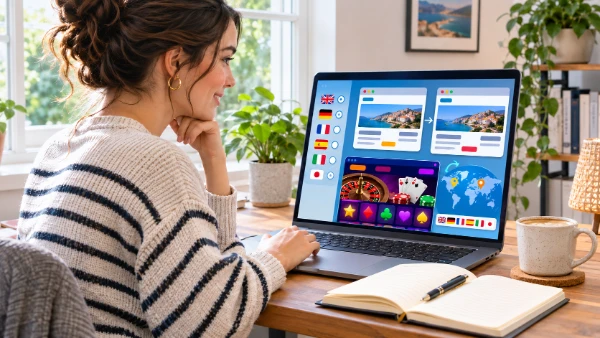
Website localisation can be a home-based freelance service for people who write confidently in more than one language. Businesses need menus, offers and customer information that make sense abroad, not word-for-word translations. In 2026, freelancers adapt wording, check details and make pages familiar to local customers.
What Does Website Localisation Work Involve?
Assignments cover menus, product descriptions, booking instructions and FAQs. Localisation also means choosing suitable spelling, currencies, dates and expressions. A British shop entering France needs delivery and returns information that French customers understand.
Online casinos are another example of businesses requiring careful localisation. The no limit casino bonus website presents an international online casino with slots, roulette, blackjack, video poker, Keno and live dealer games. Its multilingual content includes game descriptions, menus and promotional information. Bonus terms require accurate translation, and gambling advertising rules must be checked for each target market.
A job may involve one page or a whole section. The aim is to preserve meaning while making the language natural. Headings, buttons and cultural references sometimes need rewriting. Ask the client about unclear prices, conditions or claims instead of guessing.
Skills and Samples That Help Beginners
Strong writing in the target language matters most. Learn to spot awkward phrases, research unfamiliar terms and use consistent vocabulary. Never invent legal wording or interpret regulated offers without guidance from a qualified reviewer.
Google Docs, spreadsheets and WordPress are useful tools. Translation software can help with drafts, but names, numbers and conditions need checking. Read pages on a phone too: some phrases are too long for menus. Keep a glossary for each client.
Build a portfolio with two or three sample adaptations for a named audience: a shop returns page, hotel booking message or promotional email. Show the original beside your version and explain key changes. Clearly label samples that were not client commissions.

How to Find Clients and Price Your Work
Find leads through translation agencies, freelance job boards and professional networks. Approach businesses serving several countries, identifying mixed-language pages or awkward menus. Explain the changes you could make rather than sending a generic pitch.
Before quoting, confirm the word count, country, deadline and whether editing or uploading is included. Per-word fees suit straightforward text; fixed prices work for defined projects. Allow time for research, questions and agreed revisions.
Income depends on languages, expertise and workload; no daily rate is guaranteed. Record time spent on research, revisions and administration to calculate your real hourly earnings. Start with subjects you understand rather than chasing higher-paid work beyond your skills.
Turning Occasional Projects into Regular Work
Websites need updates after their first translation. Shops change stock, travel businesses revise booking details and services update guidance. Meeting deadlines and keeping approved terminology can turn a one-off job into recurring work.
Ask about missing details early and explain when local wording must differ from the original. For regulated material, request approval from the client’s specialist. Be clear about what you cannot verify: accuracy builds trust.
Website localisation is not effortless income. Its value lies in sound judgement, readable writing and reliable delivery, even when clients use automated drafts. A focused portfolio, fair prices and satisfied customers can help make home-based work more consistent.